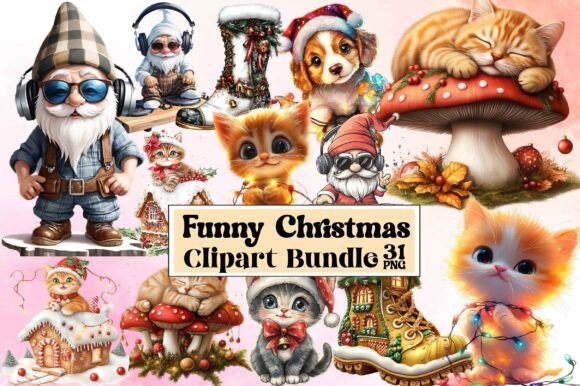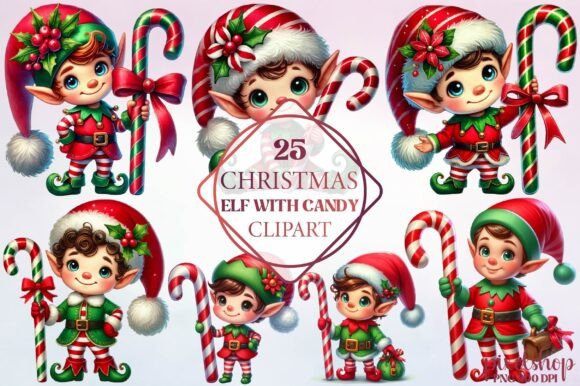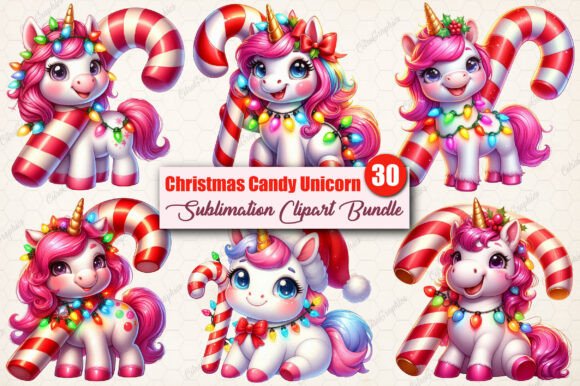
Funny Christmas Candy Unicorn Clipart: Editorial Illustrations
As a digital publisher who has spent over a decade refining the visual identity of high-traffic blogs and affiliate sites, I approach every new graphic design asset with a critical eye. We are not just decorating pages; we are building trust, guiding attention, and driving conversions. When I first loaded the files for Funny Christmas Candy Unicorn Clipart, my immediate reaction was one of strategic opportunity. This is not merely decorative fluff. It is a targeted visual tool designed to cut through the noise of the saturated holiday content market.
The first impression is undeniably playful and whimsical, yet it maintains a level of polish that prevents it from feeling amateurish. In the world of editorial design, mood is everything. This collection creates a festive, lighthearted atmosphere that feels both seasonal and modern. It supports niches ranging from parenting blogs and lifestyle magazines to educational resources for younger audiences. The vibrant colors and clean lines suggest a brand identity that is approachable, fun, and deeply engaged with its community. For publishers looking to soften their tone during the busy Q4 season, these Illustrations offer a perfect balance of professionalism and joy.
Integrating Whimsy into Real Publishing Workflows
The true test of any digital download is its versatility within a real-world publishing workflow. I immediately began testing these assets across various touchpoints in my content ecosystem. The primary use case that stands out is for Pinterest pin creation. Holiday content is highly competitive on visual search engines, and standing out requires bold, recognizable imagery. The unicorn motif, combined with candy elements, provides a unique visual hook that differs from the standard red-and-green clichés. By placing these graphics alongside bold typography in Canva, I created pins that felt fresh and clickable.
Beyond social media, these assets excel as blog graphics for featured images. A strong featured image sets the expectation for the article. Using this clipart for posts about holiday crafts, gift guides for kids, or festive recipes instantly signals the content’s tone. It also works exceptionally well for newsletter graphics. In an inbox crowded with corporate sales emails, a header featuring a charming unicorn can increase open rates by adding a personal, human touch to your content marketing efforts. I also envision these being used effectively in digital guides and lead magnet covers, where a friendly aesthetic can lower the barrier to entry for subscribers.
Enhancing Visual Hierarchy and Brand Identity
From a web design perspective, consistency is key to building brand identity. Incorporating a specific set of design assets like this helps create a cohesive visual language. When readers see the same stylistic elements across your website header, social posts, and downloadable resources, it reinforces recognition. This clipart supports stronger visual hierarchy by drawing the eye to key areas without overwhelming the text. For example, using a smaller unicorn icon as a bullet point or section divider can break up long-form content, making it more digestible for mobile readers.
Furthermore, these assets support better click-through potential. In affiliate marketing, trust is currency. High-quality, custom-looking visuals suggest that the publisher cares about quality, which transfers to the products being recommended. Whether you are creating social media graphics for Instagram stories or designing a Canva template for your team, the professional finish of these illustrations ensures your brand looks established and credible. It transforms generic content into a curated experience.
Strategic Placement and Contextual Limits
While versatile, this asset requires strategic placement. It works best in hero images, article thumbnails, and as editorial accents in lighter, lifestyle-focused layouts. It is ideal for category visuals that need to feel inviting, such as "Holiday Fun" or "Kids' Activities." However, publishers must exercise caution. These graphics should be used carefully in small mobile thumbnails where detail might be lost, or on text-heavy blog images where they could compete with readability. Avoid using them on low-contrast backgrounds, as the vibrant colors may clash or disappear.
Additionally, consider your niche. While perfect for creative, educational, or family-oriented sites, this playful style may not suit serious professional niches, corporate content, or websites that require a strictly minimal visual system. Always align the creative design with your audience’s expectations. If your brand voice is authoritative and serious, these whimsical elements might undermine your message. But for brands aiming to connect on an emotional, joyful level, they are invaluable.
Practical Publisher Notes for Implementation
Before deploying any new commercial design element, rigorous testing is essential. I recommend testing these graphics on both desktop and mobile screens to ensure they scale correctly. Check how they look as a thumbnail in your blog archive; if the details blur, consider using a simpler version or increasing the contrast. Preview the asset inside your actual blog layout to see how it interacts with your existing sidebar and footer elements.
Typography pairing is another critical factor. Test the clipart beside serif fonts for a classic editorial look, sans serif fonts for modern clarity, or script and handwritten fonts to enhance the playful vibe. Ensure that the text remains readable against the colorful background. From a technical standpoint, review file size for web performance. Large, uncompressed images can slow down page load times, negatively impacting SEO. Always compress images properly before uploading. Finally, confirm the commercial license terms. Ensure you are compliant when using these assets on monetized websites, affiliate pages, or in paid content products like eBooks. Understanding the licensing within the creative marketplace protects your business from legal issues.
In conclusion, Funny Christmas Candy Unicorn Clipart is more than just a seasonal decoration. It is a strategic graphic design asset that, when used correctly, can elevate your small business branding and enhance reader engagement. By integrating these Illustrations thoughtfully into your printable design projects, digital product covers, and daily content, you create a more polished, clickable, and trustworthy online presence. For publishers ready to inject some holiday magic into their visual strategy, this collection offers a delightful and effective solution.